
Ellie Edmond Shimmin on Sexual & Reproductive Health and Rights in Anticipatory Action
When disaster strikes, the topic of sexual and reproductive health and rights is rarely on the emergency agenda. Ellie Edmond Shimmin argues that anticipatory action offers an opportunity to change this, turning time into a tool for more inclusive, gender-responsive humanitarian aid.
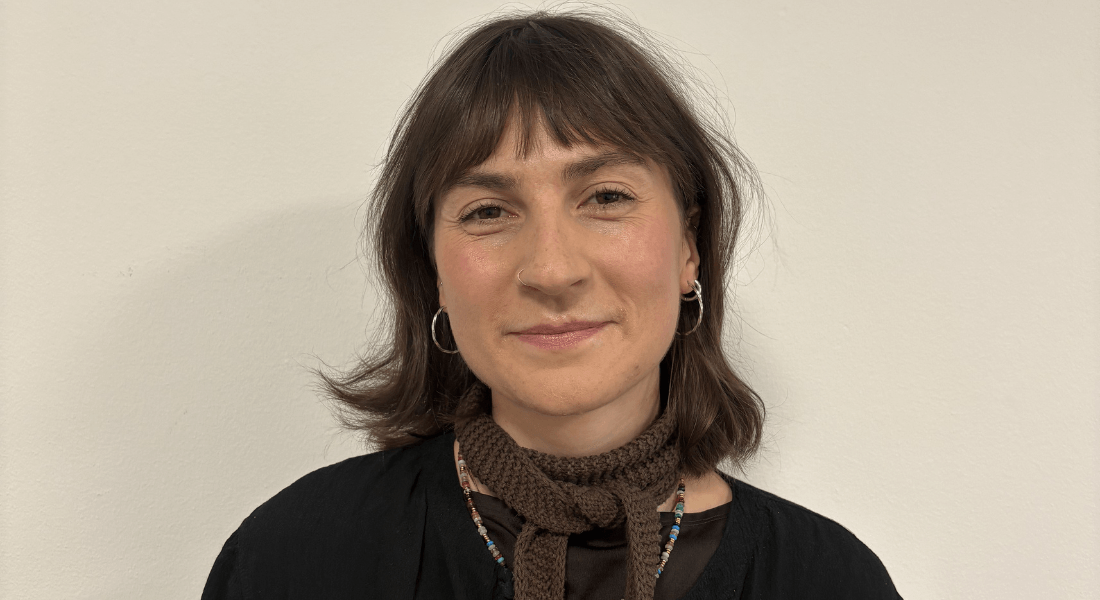
When Ellie Edmond Shimmin started looking at anticipatory action in 2023, something was missing. The field was growing fast. As it grew, gender and inclusion issues were slowly entering the conversation, but gendered health needs such as sexual and reproductive health and rights were almost entirely absent. For someone with a global health background, this gap was hard to ignore. Read on for our full interview with Ellie to understand more.
What first led you to look at sexual and reproductive health and rights in anticipatory action?
When I began this research process in 2023, I was working with the humanitarian sector and became increasingly interested in how anticipatory action was shaped as a field. AA was a rapidly growing, but I kept noticing a striking gap. Gendered health needs were rarely mentioned in either the academic literature or grey material surrounding the topic. As someone with a global health background I was acutely aware of the deprioritisation of SRHR in disaster responses, as well as the significant and lasting consequences of this for women, girls and marginalized groups. When I found almost no mention of SRHR in the anticipatory action literature, the discrepancy formed my research question. Someone had to investigate this properly and centralise gender and SRHR in the AA discourse.
You use the phrase “double disaster” of gendered impacts in the paper, what does it mean and why does it matter?
The “double disaster” is a term coined by Bradshaw and Fordham to capture what we often miss in a disaster response: disasters do not affect everyone equally; they are compounded by existing social inequalities and some of the worst consequences are invisible. We can see that disasters have an immediate impact: injuries, displacement, loss of livelihoods and homes. But there is also a second layer of impact which is often invisible and often hits women and girls hardest: increased gender-based violence, disrupted access to sexual and reproductive healthcare, forced marriage and heightened poverty. These are not random side effects, they are part and parcel of a disaster’s impact, and they have significant long-term impacts. The question for anticipatory action is simple: if we know these secondary impacts occur, why are we not planning for them?
Why is this issue especially urgent in today’s humanitarian and funding landscape?
Disasters are increasing in frequency and scale, with protracted crises becoming the norm. Meanwhile, exactly at this moment, funding for SRHR has sharply fallen. The withdrawal of USAID funding is the most visible example of a much broader pattern of disinvestment. Yet the evidence is clear: SRHR needs in disaster contexts are rising, and the capacity to meet them is shrinking. The paper sits in this tension.
What stood out most from the interviews you conducted with specialists?
The thing which stood out most to me was the tension between the AA practitioners and SRHR specialists on the biggest priority in a disaster. Both communities were deeply committed to reducing harm, but often with very different ideas around what to prioritise. Discussions were happening around urgency and what needs were counted in a disaster, and I saw real space for dialogue around prioritising gendered health needs. It was also positively surprising to see the number of practical solutions identified when people engaged with the question of including SRHR into AA. Even those who may have been initially skeptical about realistically including SRHR into AA were able to point to things which could be done now or at least acknowledge the gaps in service provision. This reveals that the barriers may be real, but so are the possibilities for change.
What do you hope policymakers, donors, and practitioners take away from this paper?
The central message is simple: SRHR is not a niche concern. It is a crucial part of any meaningful disaster response, and anticipatory action done well can be a powerful tool for addressing SRHR need before a disaster hits, producing a more inclusive and impactful response.
For practitioners, the paper shows concrete entry points. It demonstrates that even basic considerations of SRHR, ensuring contraception is stocked; that referral pathways to obstetric care exist; community groups are engaged and that community needs assessments are genuinely inclusive, can significantly reduce harm. For policy makers and donors, the encouragement is to fund and include SRHR as a non-negotiable element of AA programming, not as an afterthought. Finally, for everyone: use the planning window that AA provides to tackle nuanced need in a disaster. It is too valuable to waste.
Interested? Read the full paper here: https://onlinelibrary.wiley.com/doi/10.1111/disa.70056
Contact
ellie.edmond@sund.ku.dk.